Social Health Authority (SHA) Chairperson Abdi Mohamed has called on Kenyans to register themselves and their dependents to fully benefit from the government’s new universal health coverage framework.
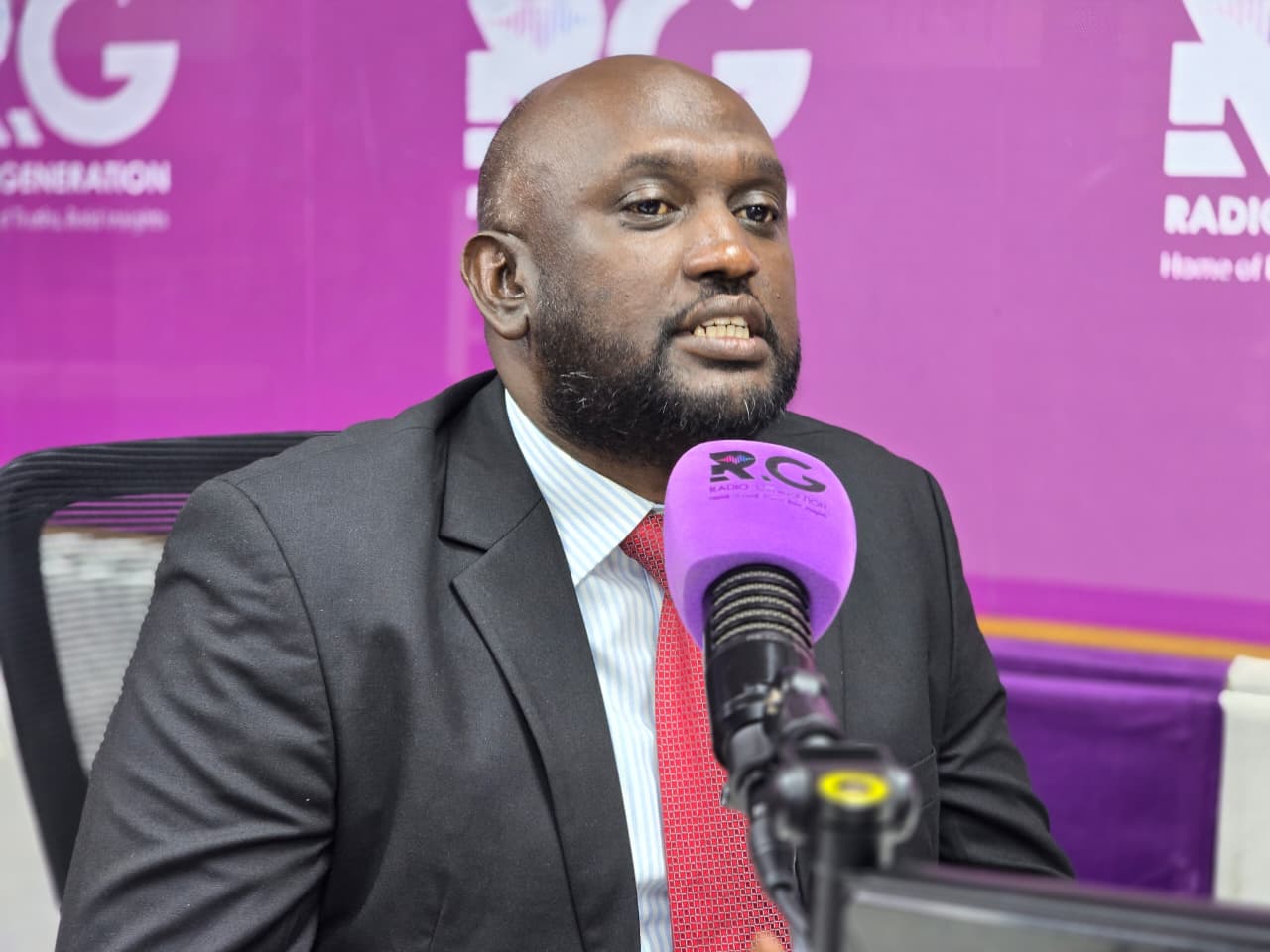
Speaking during an interview on Radio Generation, Mohamed said the new system anchored under the Social Health Authority introduces a more inclusive and equitable healthcare model built around three key funds: the Primary Health Care Fund (PHCF), the Social Health Insurance Fund (SHIF), and the Emergency, Chronic, and Critical Illness Fund (ECCIF).
He explained that the changes mark a shift from the old National Health Insurance Fund (NHIF) structure to a more comprehensive approach aimed at ensuring that no Kenyan is left behind when it comes to accessing medical care.
“The new organization is called the Social Health Authority, and under its mandate are three funds,” Mohamed said. “The first is the Primary Health Care Fund, the second is the Social Health Insurance Fund, and the third is the Emergency, Chronic and Critical Illness Fund.”
Mohamed noted that the Primary Health Care Fund is fully financed through taxes, meaning every Kenyan is automatically entitled to basic outpatient services such as check-ups, treatment for minor illnesses, and preventive care, even without making monthly contributions.
“Primary health care is tax-funded. Every Kenyan is entitled to it without contributing,” he said. “All that’s required is registration. These are services you access at level two, three, and four hospitals, things like consultations, simple treatments, and follow-ups that don’t need you to be admitted.”
He emphasized that registration is crucial, as it allows health facilities to verify beneficiaries quickly and avoid delays during emergencies.
“My appeal to Kenyans is to register and remember to add your dependents,” he urged. “People often register themselves but forget their spouses or children. Then when an emergency happens, that’s when it becomes chaotic at the hospital.”
For the Social Health Insurance Fund, Mohamed said members will contribute 2.75 percent of their monthly income, with contributions determined by one’s ability to pay. Despite the varying contribution amounts, the benefits will remain equal for all members.
“It’s based on your income,” he explained. “If you earn Sh10,000, you pay 2.75 percent; if you earn a million, you still pay 2.75 percent. We contribute based on our ability to pay, but we all get the same benefits. That’s what makes it social and fair.”
He added that the Emergency, Chronic and Critical Illness Fund is also tax-funded and will cover the first 24 hours of emergency medical care for anyone in Kenya regardless of nationality or registration status.
“It doesn’t matter whether you are registered or even a foreigner,” Mohamed said. “Everyone is entitled to emergency care."
"We’re also setting up a national ambulance service so that Kenyans can call a toll-free number and get help quickly, "Mohamed added.
He also said the new structure represents a major step toward achieving universal health coverage, assuring Kenyans that the system is designed to make healthcare both accessible and equitable.
“This is about fairness and dignity,” he said. “We want a Kenya where every person can walk into a hospital and receive care without worrying about money.”